
view gallery at google photos:

The wild, shadowy expanse of Honey Island Swamp stretches along the Louisiana–Mississippi border, a place where cypress trees rise from blackwater sloughs and the air hums with insects, birds, and the slow movement of unseen creatures. Often described as one of the most pristine swamps in the United States, Honey Island offers a rare glimpse into a landscape that has remained largely untouched by modern development.
A Landscape Shaped by Water
Honey Island Swamp lies within the Pearl River basin, fed by the winding currents of the Pearl River. Seasonal flooding defines the ecosystem here, replenishing nutrients and sustaining a dense web of life. Bald cypress and tupelo gum trees dominate the skyline, their roots forming knobby “knees” that rise above the water’s surface. Spanish moss drapes from branches, adding to the swamp’s otherworldly atmosphere.
Unlike many wetlands that have been drained or altered, Honey Island remains largely intact due to its relative inaccessibility. There are no paved roads cutting through its interior, and much of the swamp can only be explored by boat.
Wildlife and Ecology
The swamp teems with biodiversity. Alligators glide silently through the water, while turtles bask on fallen logs. Birdlife is especially abundant, with herons, egrets, owls, and woodpeckers frequently spotted. During migration seasons, the swamp becomes a temporary home for a variety of songbirds traveling along the Mississippi Flyway.
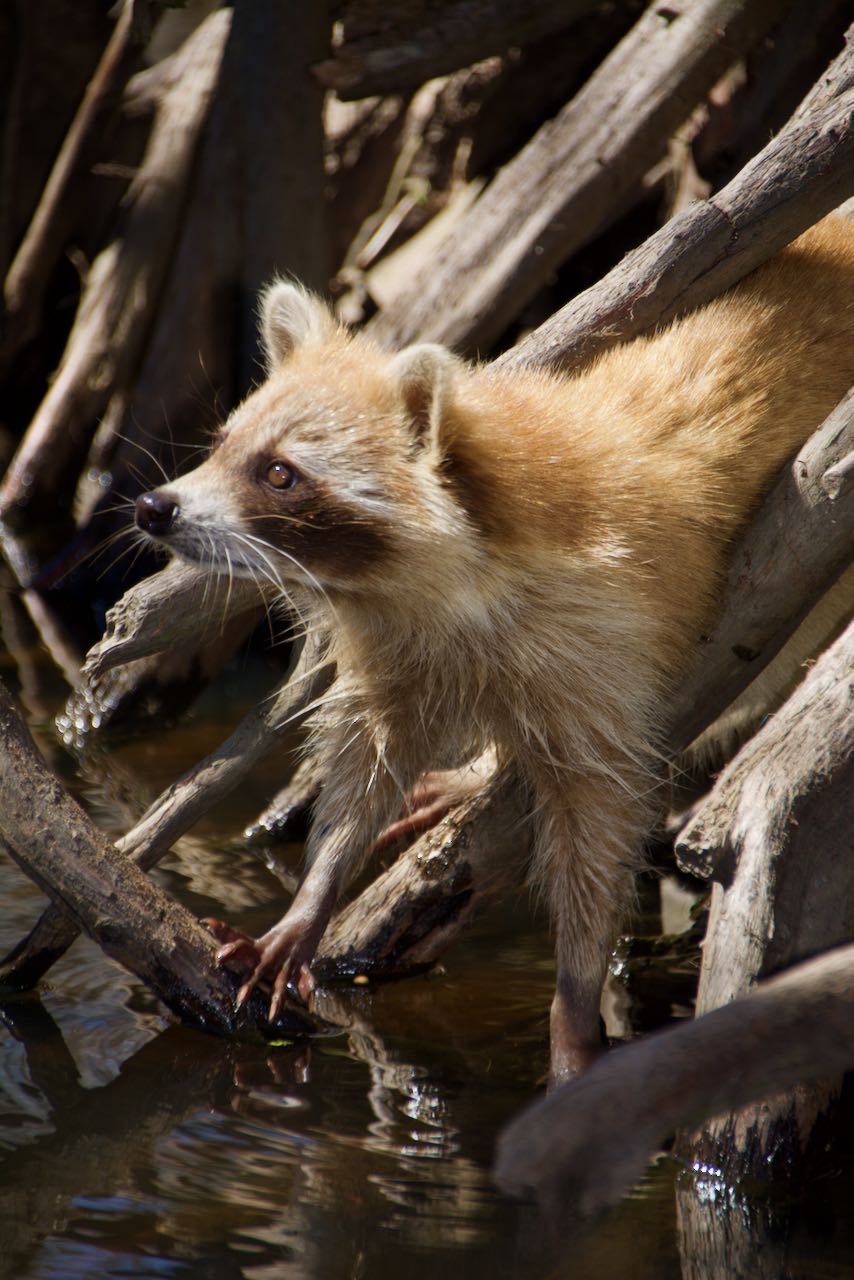
Mammals such as wild boar, raccoons, otters, and even the occasional black bear inhabit the dense undergrowth. This rich ecosystem depends on the delicate balance of freshwater flow, making it especially sensitive to environmental changes upstream.
Legends of the Swamp
No discussion of Honey Island Swamp would be complete without mentioning its most famous legend: the so-called “Honey Island Swamp Monster.” Often compared to Bigfoot, the creature is said to be a large, bipedal, hairy being that roams the swamp’s remote areas. Stories date back to the mid-20th century, when local residents and hunters reported strange tracks and sightings.
While no scientific evidence supports the existence of such a creature, the legend persists, fueled by the swamp’s dense isolation and eerie ambiance. For many visitors, the mystery adds an extra layer of intrigue to an already fascinating environment.
Human History and Use
Historically, the swamp has been difficult to inhabit permanently, but it has long been used by Native American tribes for hunting and fishing. Later, European settlers attempted limited logging and trapping operations, though the terrain proved challenging.
Today, the swamp is best known for guided eco-tours departing from nearby communities like Slidell, Louisiana. These tours provide visitors with a safe way to explore the waterways while learning about the region’s ecology and folklore.
A Fragile Natural Treasure
Despite its relatively untouched condition, Honey Island Swamp faces ongoing threats. Pollution, climate change, and upstream development all pose risks to the water quality and ecological balance of the Pearl River system. Conservation efforts focus on protecting this habitat so that future generations can experience its unique beauty.
In a region shaped by water, storms, and time, Honey Island Swamp stands as a living reminder of what the Gulf Coast once looked like in its natural state—wild, mysterious, and teeming with life.
- ai assist content
Leave a Reply
You must be logged in to post a comment.