
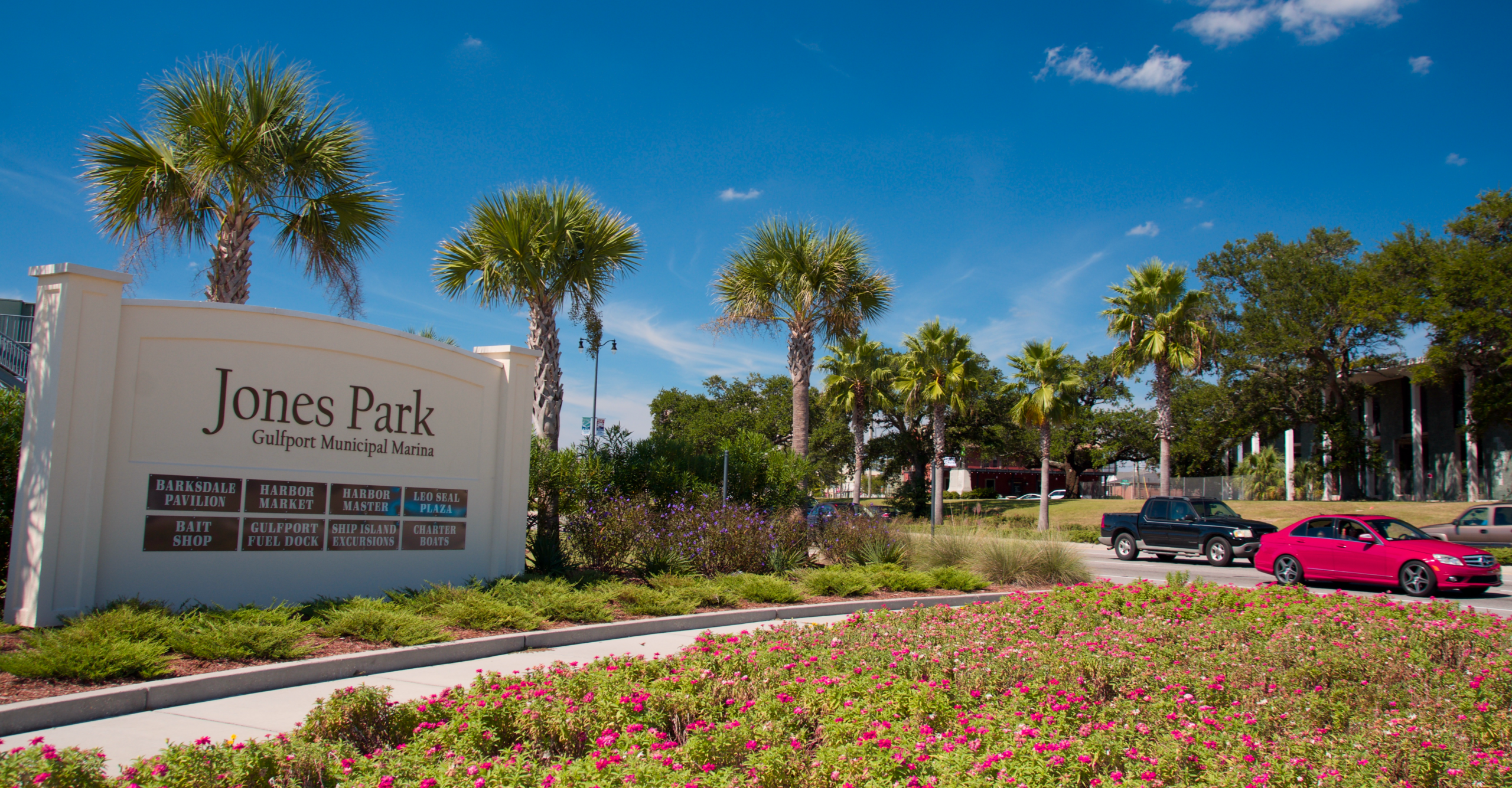
Harrison County, Mississippi sits along the sunlit shores of the Gulf of Mexico, a region where coastal beauty, military presence, tourism, and deep-rooted Southern culture converge. As one of the most populous and economically significant counties in the state, Harrison County plays a central role in shaping Mississippi’s identity on the Gulf Coast.

Harrison County, Mississippi: an Introduction
Harrison County sits at the center of Mississippi’s Gulf Coast, a stretch of white sand, live oaks, working harbors, and small-town character. It is one of the state’s most populous counties, home to roughly 200,000 residents, and it is the coast’s main hub for tourism, military service, shipping, and seafood.
A Brief History

The county was established in 1841 and named for William Henry Harrison, the ninth U.S. president. Its history goes back much further. The area was home to Native peoples, including the Biloxi and Choctaw, before French colonists arrived. In 1699, Pierre Le Moyne d’Iberville established a settlement at what is now Ocean Springs, just across the bay, and Biloxi became one of the earliest European settlements in the Mississippi Valley.
Through the 19th century, the coast grew on lumber, seafood, and its reputation as a seaside retreat. Rail lines brought visitors from New Orleans and beyond, and the beachfront filled with hotels and grand homes.
The defining modern event was Hurricane Katrina in August 2005, which devastated the county’s coastline. The rebuilding that followed reshaped the waterfront, and it remains central to how locals talk about the past two decades.
Cities and Communities
Harrison County has two county seats, Gulfport and Biloxi, a holdover from an earlier era when travel between the two was harder.
- Gulfport, the largest city, is the county’s commercial and cultural center. It’s home to the Port of Gulfport, the Mississippi Aquarium, and a lively downtown.
- Biloxi is the coast’s best-known destination, with casino resorts, historic sites, the Biloxi Lighthouse, and a long shrimping heritage.
- Long Beach is known for its harbor, its university presence, and a relaxed residential feel.
- Pass Christian, at the county’s western edge, has a quiet, oak-shaded charm and a well-regarded harbor.
- D’Iberville has grown into a busy retail and entertainment hub, named for the explorer who first settled the area.
Unincorporated communities such as Saucier, Lyman, Woolmarket, and Delisle fill in the northern and inland parts of the county, where the landscape turns to piney woods and part of De Soto National Forest.
The Beach
Harrison County’s beachfront runs along the Mississippi Sound, a shallow, sheltered body of water protected by a chain of barrier islands. The shoreline is one of the longest man-made beaches in the country, a broad strip of sand along Highway 90 that stretches for miles. Because the Sound is calmer than the open Gulf, the water is popular for swimming, paddling, and fishing.
Offshore, Ship Island, part of Gulf Islands National Seashore, is reachable by ferry and offers clear water, a historic fort, and some of the area’s most natural beaches.
Economy and Institutions
Several pillars support the local economy:
- Tourism and gaming. Casino resorts, beach vacations, and events bring millions of visitors each year.
- Military. Keesler Air Force Base in Biloxi and the Naval Construction Battalion Center in Gulfport are major employers and part of the coast’s identity.
- Shipping and industry. The Port of Gulfport handles cargo, notably tropical fruit, and supports a wide range of related jobs.
- Seafood. Shrimp, oysters, and Gulf fish remain part of both the economy and the culture, celebrated at annual events like the Blessing of the Fleet.
- Healthcare and education. Regional hospitals, community colleges, and university campuses round out the mix.
Culture and Things to Do
The county’s food is a blend of Southern, Creole, and Gulf Coast influences: fried and boiled seafood, po’boys, gumbo, and fresh-caught shrimp. Festivals fill the calendar, and the coast has a strong arts scene, including the Ohr-O’Keefe Museum of Art in Biloxi, dedicated to the “Mad Potter of Biloxi,” George Ohr. History lovers can visit Beauvoir, the last home of Jefferson Davis, and several lighthouses and preserved homes along the shore.
Golf, fishing charters, and live music round out the options, and the area’s mild climate makes outdoor activity possible for most of the year.
Living Here
Harrison County offers coastal living at prices that are often more approachable than many beach destinations. Communities range from walkable downtowns to quiet, tree-lined neighborhoods, with easy access to New Orleans to the west and Mobile to the east. Hurricane season is a fact of life, and locals take preparedness seriously, but most residents point to the water, the food, and the tight-knit communities as the reasons they stay.
Whether you’re visiting for a weekend or considering a move, Harrison County rewards exploration. It’s a place where history, industry, and beach life sit side by side.
Seat Biloxi and Gulfport
Largest city Gulfport
Area
• Total 976.15 sq mi (2,528 km2)
• Land 580.98 sq mi (1,505 km2)
• Water 395.17 sq mi (1,023 km2), 40.48%
Population
• (2010) 187,105
• Density 326/sq mi (126/km²)
Congressional district 4th
Time zone Central: UTC-6/-5
Website www.co.harrison.ms.us
Harrison County is part of the Gulfport-Biloxi-Pascagoula, MS Metropolitan Statistical Area.
The county was severely damaged from both Hurricane Camille in August 1969 and Hurricane Katrina on August 28–29, 2005, causing catastrophic effects.
According to the 2000 census, the county has a total area of 976.15 square miles (2,528.2 km2), of which 580.98 square miles (1,504.7 km2) (or 59.52%) is land and 395.17 square miles (1,023.5 km2) (or 40.48%) is water.
Major highways
I-10.svg Interstate 10
I-110.svg Interstate 110
US 49.svg U.S. Highway 49
US 90.svg U.S. Highway 90
Circle sign 15.svg Mississippi Highway 15
Circle sign 53.svg Mississippi Highway 53
Circle sign 67.svg Mississippi Highway 67
Circle sign 605.svg Mississippi Highway 605
Adjacent counties
Stone County (north)
Jackson County (east)
Hancock County (west)
National protected areas
De Soto National Forest (part)
Gulf Islands National Seashore (part)
Demographics
Historical population
Census Pop. %±
1850 4,875
—
1860 4,819 −1.1%
1870 5,795 20.3%
1880 7,895 36.2%
1890 12,481 58.1%
1900 21,002 68.3%
1910 34,658 65.0%
1920 32,855 −5.2%
1930 44,143 34.4%
1940 50,799 15.1%
1950 84,073 65.5%
1960 119,489 42.1%
1970 134,582 12.6%
1980 157,665 17.2%
1990 165,365 4.9%
2000 189,601 14.7%
2010 187,105 −1.3%
Est. 2012
194,029 3.7%
U.S. Decennial Census
2012 Estimate
As of the census of 2000, there were 187,479 people, 71,538 households, and 48,574 families residing in the county. The population density was 326 people per square mile (126/km²). There were 79,636 housing units at an average density of 137 per square mile (53/km²). The racial makeup of the county was 73.15% White, 21.09% Black or African American, 0.45% Native American, 2.60% Asian, 0.09% Pacific Islander, 0.90% from other races, and 1.72% from two or more races. 2.59% of the population were Hispanic or Latino of any race.
There were 71,538 households out of which 33.50% had children under the age of 18 living with them, 48.10% were married couples living together, 15.10% had a female householder with no husband present, and 32.10% were non-families. 25.80% of all households were made up of individuals and 8.30% had someone living alone who was 65 years of age or older. The average household size is 2.55 and the average family size is 3.07.
In the county the population was spread out with 26.00% under the age of 18, 11.10% from 18 to 24, 30.50% from 25 to 44, 21.20% from 45 to 64, and 11.10% who are 65 years of age or older. The median age was 34 years. For every 100 females there were 99.10 males. For every 100 females age 18 and over, there were 97.50 males.
The main income for a household in the county was $35,624, and the median income for a family was $41,445. Males had a median income of $29,867 versus $22,030 for females. The per capita income for the county was $18,024. 14.60% of the population and 11.60% of families were below the poverty line. Out of the total population, 20.70% of those under the age of 18 and 11.30% of those 65 and older were living below the poverty line.
Harrison County has the sixth highest per capita income in the State of Mississippi.
Communities
Cities
Biloxi
D’Iberville
Gulfport
Long Beach
Pass Christian
Census-designated places
Lyman
Saucier
Unincorporated places
Cuevas
De Lisle
Howison
Lizana
Woolmarket
Corrections system
Harrison County has received coverage on CNN and other media regarding the beatings of inmates, and the death of inmate Jessie Lee Williams Jr., who died while in custody on Feb. 4, 2006, which have occurred in the Harrison County Jail in Gulfport, Mississippi.[7] In 2006 and 2007, six Harrison County Sheriff’s Department deputies pled guilty to crimes related to the abuse of inmates at the jail.[8] Melvin Brisolara-R, is the current Sheriff elected in 2008, for Harrison County.
Wildlife
A single pond in the county contains the critically endangered dusky gopher frog
See also
Portal icon Mississippi portal
Friendship Oak (Long Beach, Mississippi)
Grass Lawn (Gulfport, Mississippi)
Historic Grand Hotels on the Mississippi Gulf Coast
Land Trust for the Mississippi Coastal Plain
National Register of Historic Places listings in Harrison County, Mississippi
Old Brick House (Biloxi, Mississippi)
Tivoli Hotel (Biloxi, Mississippi)
Turkey Creek Community Historic District
References
State & County QuickFacts”. United States Census Bureau. Retrieved September 3, 2013.
“Find a County”. National Association of Counties. Retrieved 2011-06-07.
Jump up ^ Gannett, Henry (1905). The Origin of Certain Place Names in the United States. Govt. Print. Off. p. 150.
“Census 2010 Gazetteer Files”. Retrieved July 2, 2013.
“U.S. Decennial Census”. Census.gov. Retrieved September 3, 2013.
“American FactFinder”. United States Census Bureau. Retrieved 2008-01-31.
Burt, D.E. and H.L. Welch. (2007). Quality of water in selected wells, Harrison County, Mississippi, 1997-2005 [U.S. Geological Survey Open-File Report 2007-1287]. Reston, VA: U.S. Department of the Interior, U.S. Geological Survey.