
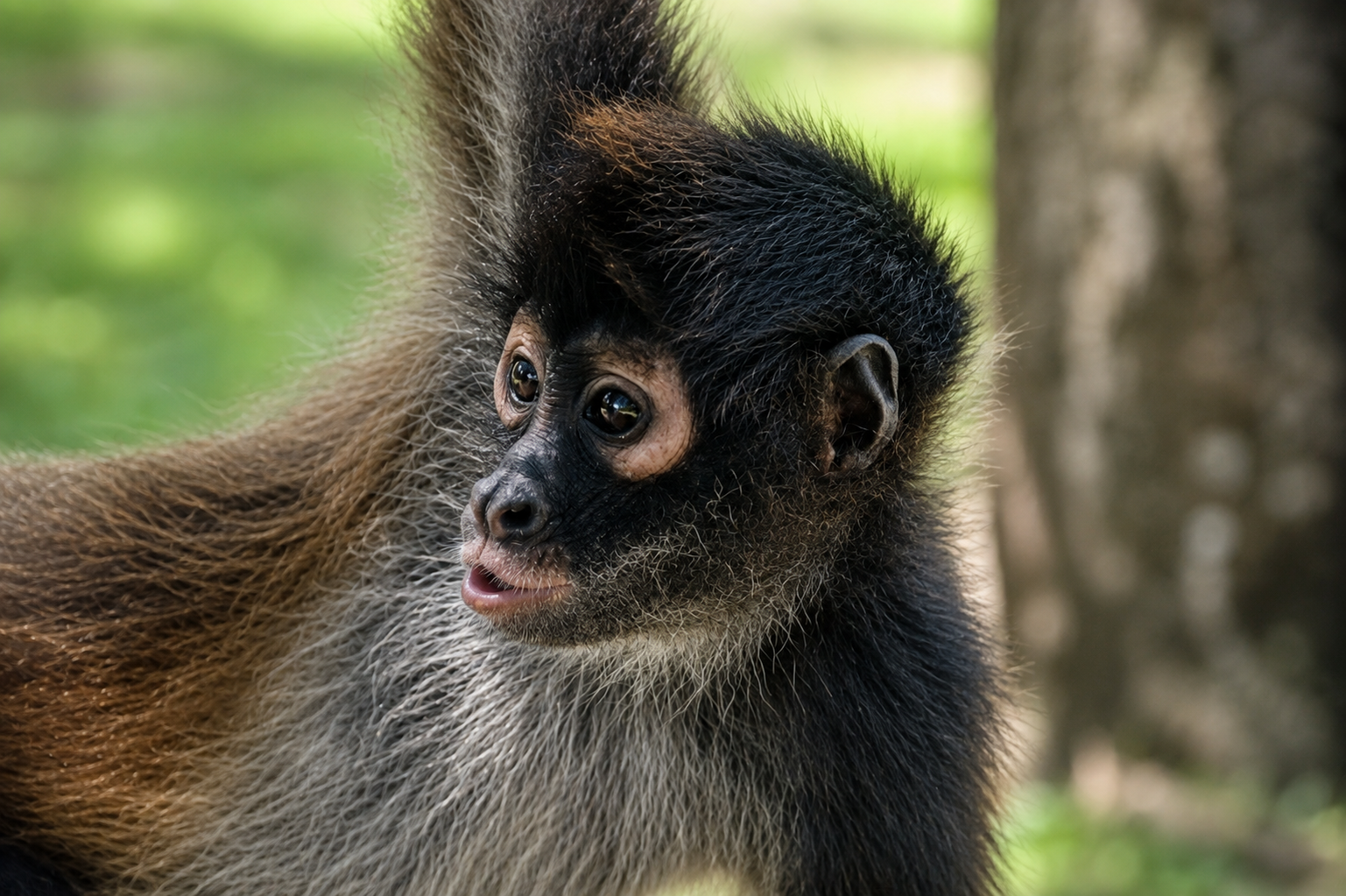
Not every Gulf Coast attraction is on the beach. Up Highway 49 in Perkinston, on a quiet piece of South Mississippi countryside, a small group of caregivers and volunteers is giving a second chance to animals most of us never think about: monkeys who once lived as pets, performers, or breeding stock and have nowhere else to go.
We visited the Gulf Coast Primate Sanctuary with a group from First United Methodist Church of Gulfport, and we came home with a camera full of faces we won’t soon forget.
A home for life
The sanctuary is a USDA-licensed 501(c)(3) nonprofit that provides permanent, lifetime care for New World monkeys. Many arrive as owner surrenders from the pet trade; others come from entertainment, zoos, labs, breeding operations, or confiscations by authorities. They can’t go back to the wild, so this is where they stay. The sanctuary is clear about one thing: they do not sell or breed animals.

Care comes from a team that includes two primate-focused veterinarians, experienced caregivers, and trained volunteers. Just as important is family. Monkeys are social animals, and the sanctuary works to build troops where each species can live as naturally as possible.


Meet the residents
The spider monkeys steal the show. Waylon, Maybel and Louie came out of the pet trade as youngsters and now spend their days climbing, wrestling and, by their caregivers’ account, showing off for anyone who will watch. A pair of common marmosets, Coco and Gizmo, are retired breeders enjoying sunshine, hammocks and fresh fruit. Squirrel monkeys Harli and Max share a space (Harli has earned the nickname “the Hoarder”), and the family also includes two kinkajous, Diago and Balou, and a common genet named Drogo who surprises nearly every visitor.

Healing on both sides of the fence
The sanctuary’s UNPLUGGED program invites veterans and first responders dealing with PTSD and stress to help with daily operations in a supervised setting. The lessons are the same ones the monkeys teach: consistency, patience, boundaries, and trust that has to be earned. As the animals settle in, the people working alongside them often find a little steadiness of their own.

Planning a visit
The sanctuary is not open to the public. For the animals’ safety, visits are by appointment only. Educational walking tours can be booked through their website, starting at $5.


- Where: 70 Inda Road, Perkinston, MS 39573
- Call or text: (228) 365-6578
- Email: info@GulfCoastPrimateSanctuary.org
- Website: gulfcoastprimatesanctuary.org
How you can help
Lifetime care for a monkey is a long commitment, and donations go directly to the animals. The sanctuary also welcomes volunteers, hosts work days, and sells shirts, mugs and other gear to raise funds. If you’re spending time on the Coast and want to do some good while you’re here, this is a fine place to start.
Photos by James Tucker.
Leave a Reply
You must be logged in to post a comment.